
Can You Remodel Your Home in Winter in St. Louis?
When the temperatures drop in St. Louis, many homeowners put their remodeling plans on hold. Between freezing weather, snow and shorter days, it might seem easier to wait until spring.
But here's something worth knowing: You don't necessarily have to wait for warmer weather to remodel your home.
Many interior remodeling projects can move forward throughout the winter, including kitchens, bathrooms, basements and larger home renovations. The key is understanding which projects are well suited to colder months, what challenges winter weather can create and how proper planning can keep everything on track.
Can Home Remodeling Really Happen During Winter?
Absolutely. While certain construction activities depend on outdoor temperatures and weather conditions, much of the work involved in an interior remodel takes place inside the home.
Once a space is enclosed and properly heated, many of the same construction activities that happen in summer can take place during winter.
Cabinetry installation, plumbing and electrical work, interior framing, tile installation and many finishing activities can all be completed during colder months, provided the appropriate conditions are maintained.
That doesn't mean winter is without challenges. Snow and ice can affect deliveries and access to a property, while some construction materials require specific temperatures and humidity levels for proper installation.
An experienced remodeling contractor should account for these conditions when developing the construction schedule.
Which Remodeling Projects Are Best for Winter?
Kitchen Remodeling
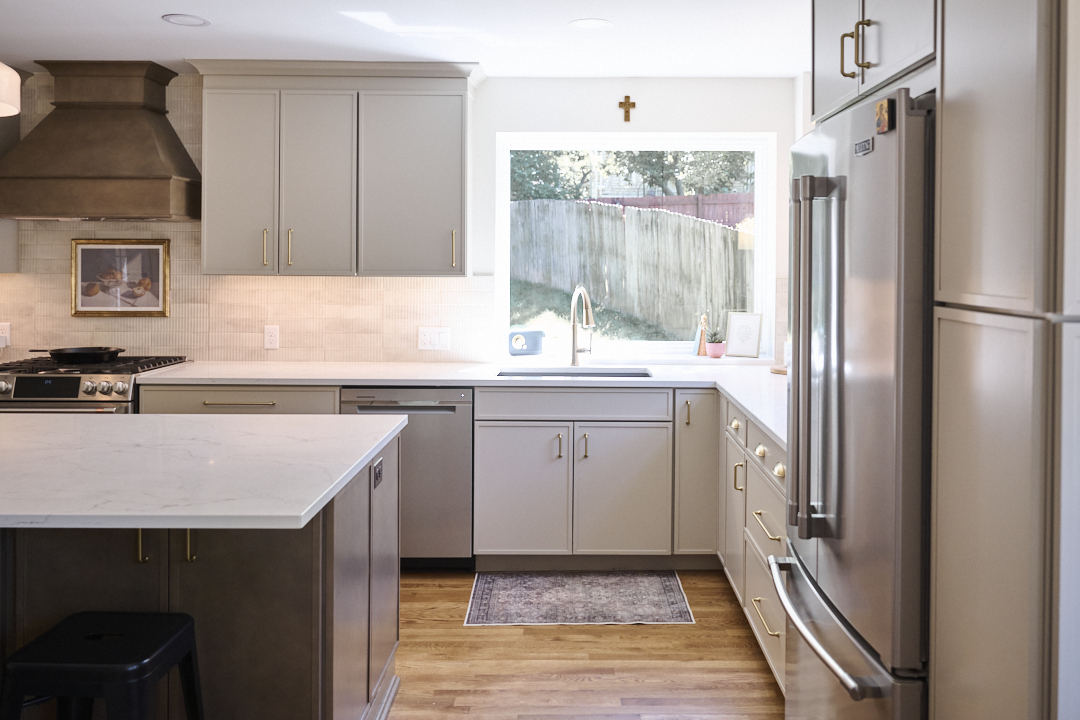
Kitchen renovations are often good candidates for winter construction, particularly when the work stays within the home's existing footprint.
Projects might include updating cabinetry and countertops, improving the layout, adding an island, installing new lighting or completely reconfiguring the space.
One consideration is how construction will affect daily life. A kitchen remodel may require temporarily disconnecting appliances, plumbing or electrical services. During winter, homeowners may also want to consider how the construction area will be separated from the rest of the heated home.
If your project involves removing exterior walls, installing large windows or expanding the kitchen, weather protection becomes more important and may influence when certain phases of construction can occur.
Bathroom Remodeling
Bathrooms can also be remodeled throughout the winter.
Whether you're replacing a tub with a walk-in shower, updating a primary bathroom or completely reworking the layout, most of the construction takes place indoors.
There are a few winter-specific considerations. Tile adhesives, grout, waterproofing products and other materials must be installed and cured under appropriate conditions. Keeping the work area at the right temperature and maintaining adequate ventilation are important.
If you're remodeling your only bathroom, you'll also need a plan for using another facility during the most disruptive stages of construction.
Basement Remodeling
Basements are particularly well suited to winter remodeling because the work generally happens within the existing structure.
An unfinished basement can become a family room, home theater, guest suite, home office, gym or entertainment space without expanding the home's footprint.
But before choosing flooring, finishes and furniture, it's important to evaluate the basement's existing condition.
Moisture intrusion, insulation, heating, ventilation and radon are all considerations that should be addressed before finishing the space.
A well-designed basement should feel like a natural extension of the home rather than an afterthought.
For an example of what's possible, explore Aptitude's Wentzville basement remodel, which transformed an unfinished basement into a comfortable space for entertaining and everyday living.
Whole-Home Remodeling
Larger renovations can also take place during winter, but they require more careful coordination.
If the project involves several rooms, structural changes or updates to major mechanical systems, the construction schedule needs to account for maintaining heat, protecting occupied spaces and limiting unnecessary exposure to outdoor conditions.
For some homeowners, temporarily relocating during portions of a major renovation may be the most practical option.
If you're planning to stay in the house, our guide to living at home during a remodel explains how to prepare for construction while maintaining your daily routines.
What Remodeling Work Is More Challenging During Winter?
Not every project is equally suited to cold-weather construction.
Projects that involve significant exterior work may be more vulnerable to winter conditions. These can include:
- Home additions requiring excavation, foundations or extensive exterior construction
- Projects that require removing large sections of exterior walls or roofing
- Concrete and masonry work
- Exterior painting and certain finishing applications
- Outdoor living spaces and major landscaping
Cold temperatures can affect how certain materials are installed and cured. Frozen ground, snow and ice may also create access or safety concerns.
That doesn't mean these projects are impossible during winter. With the right conditions and protective measures, some exterior work can still proceed.
However, the schedule should reflect the realities of St. Louis weather rather than assuming every day will be suitable for outdoor construction.
Does Winter Weather Affect Remodeling Timelines?
It can, although the impact depends on the project.
St. Louis winters are known for fluctuating temperatures. A stretch of relatively mild weather can quickly give way to freezing conditions, snow or ice.
For interior projects, weather-related interruptions may be relatively minor. But larger renovations can be affected by material deliveries, travel conditions, exterior work and access to the property.
There are also important considerations inside the home.
Temperature and humidity: Some flooring, finishes, adhesives and other construction materials require specific environmental conditions for installation. Wood flooring, for example, must be evaluated and conditioned for the indoor environment before installation.
Ventilation and dust containment: Keeping windows closed during cold weather makes it especially important to plan how dust and fumes will be contained and how the work area will be ventilated safely.
Heating: The remodeling plan should account for how the home will remain heated, particularly if construction affects HVAC systems or exterior openings.
These aren't necessarily reasons to delay a project. They're reasons to work with a contractor who understands how to plan around them.
Is Winter a Less Expensive Time to Remodel?
It's tempting to assume that remodeling during the slower winter months will automatically cost less.
But that's not necessarily the case.
Most of the major factors influencing remodeling costs don't change dramatically with the season. Cabinetry, countertops, fixtures, labor, structural modifications and the overall scope of work are still the primary drivers of your investment.
Cold-weather construction can sometimes introduce additional costs if temporary heating, weather protection or more complicated scheduling is required.
Contractor availability also varies, so winter doesn't automatically mean shorter wait times or discounted pricing.
Rather than choosing a season based on the possibility of saving money, focus on developing a project that makes good use of your budget and meets your needs.
Winter Is Also a Great Time to Plan a Spring Remodel
Even if winter construction isn't right for your particular project, there's a good reason to start the conversation now.
A substantial remodel involves more than selecting finishes and scheduling construction.
Before work begins, homeowners and contractors need to establish the scope, evaluate the existing home, develop the design, determine the budget, make material selections and address any required permits.
For a kitchen remodel, that might mean deciding whether to keep the existing layout, move plumbing, incorporate custom cabinetry or remove a wall.
For a basement, it could involve evaluating moisture conditions, ceiling heights, mechanical systems and how the finished rooms will function.
Taking the time to work through these decisions in winter can help prepare the project for construction later in the year.
And if you're considering a spring or summer renovation, it's important to remember that contractors may be scheduling projects months in advance.
Read more about how far in advance to contact a remodeling contractor in St. Louis.
What Should You Ask Before Starting a Winter Remodel?
If you're considering remodeling during the colder months, ask your contractor a few specific questions:
- Can the majority of the work take place within the existing heated structure?
- Will any construction require opening exterior walls or temporarily interrupting the home's heating?
- Are there temperature or humidity requirements for the materials being installed?
- How will the work area be protected from dust, cold air and weather?
- Which parts of the schedule could be affected by winter conditions?
- Would starting construction now or waiting until spring make more sense for this particular project?
The answers should be specific to your home and the scope of work, not simply the time of year.
Frequently Asked Questions
Can you remodel a kitchen in the winter?
Yes. Most interior kitchen remodeling work can take place during winter, provided the space is appropriately heated and construction materials are installed under the right conditions. Projects involving significant exterior changes may require additional planning.
Can you finish a basement during winter?
Yes. Basement finishing can be completed during colder months. Moisture, radon, insulation, heating and ventilation should be evaluated before construction begins, regardless of the season.
Should I wait until spring to contact a remodeling contractor?
Not necessarily. If you're considering remodeling within the next several months, contacting a contractor during fall or winter can give you more time to develop your design, establish a budget, select materials and plan construction.
Planning a Home Remodel in St. Louis?
The best time to remodel isn't always determined by the weather. It's determined by the type of project, the conditions of your home and how prepared you are to begin.
At Aptitude Design & Build, we work with homeowners throughout St. Louis, St. Charles and surrounding communities to plan, design and build kitchens, bathrooms, basements and larger home renovations.
Whether you're considering starting construction this winter or planning ahead for spring, we can help you understand your options and develop a realistic plan.
Let's talk about your remodeling project.


