
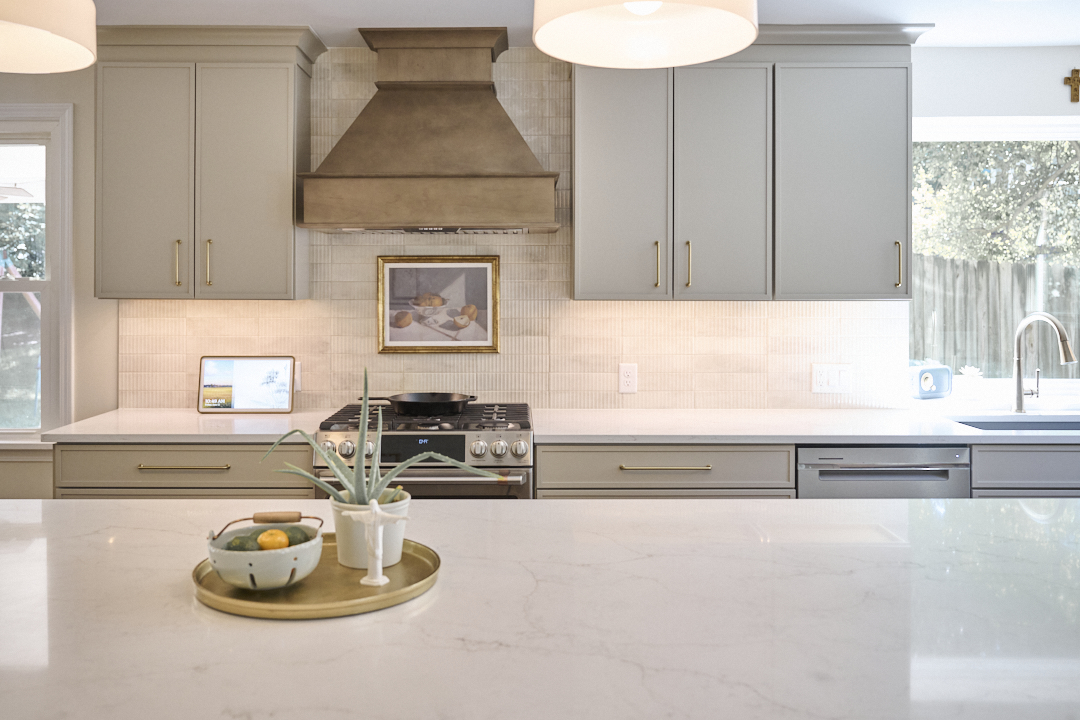
Kitchen Remodeling vs. Kitchen Renovation: What’s the Difference—and Which Do You Need?
If you’re planning to update your kitchen, you’ve probably come across the terms “kitchen remodeling” and “kitchen renovation.” They’re often used interchangeably, but they can describe very different types of projects.
A kitchen renovation generally focuses on updating the look and finishes of an existing kitchen, while a kitchen remodel may involve changing how the space is designed, laid out, and used.
Understanding the difference can help you establish the right scope, budget, and expectations for your St. Louis kitchen project.
What Is a Kitchen Renovation?
A kitchen renovation typically updates an existing kitchen without substantially changing its layout or function.
If your kitchen already works well but feels dated, a renovation may be all you need. The goal is generally to refresh or replace existing elements while keeping the basic footprint intact.
A kitchen renovation might include:
- New countertops
- Cabinet refinishing or replacement
- Updated flooring
- A new backsplash
- New appliances
- Updated lighting
- New plumbing fixtures
- Fresh paint
- Updated cabinet hardware
Because the overall layout remains largely unchanged, plumbing, electrical, walls, and major structural elements may require fewer modifications than they would during a full kitchen remodel.
What Is Kitchen Remodeling?
Kitchen remodeling goes beyond updating finishes. It involves rethinking how the kitchen functions and may include significant changes to the layout, cabinetry, utilities, or surrounding spaces.
A kitchen remodel might involve:
- Reconfiguring the kitchen layout
- Removing or relocating walls
- Creating a larger kitchen island
- Relocating appliances
- Moving plumbing or electrical
- Adding or changing windows and doors
- Installing custom cabinetry
- Creating a walk-in or built-in pantry
- Improving storage
- Adding new lighting
- Opening the kitchen to adjoining living spaces
- Changing how people move through the kitchen
For many homeowners, remodeling is an opportunity to solve problems that new finishes alone can't address.
Maybe the kitchen feels cramped. The island interrupts traffic. There isn't enough storage. The appliances are poorly positioned. The kitchen feels disconnected from the rest of the home.
Those are design problems, rather than simply aesthetic ones—and they're where remodeling can make a much bigger difference.
Kitchen Remodeling vs. Renovation: What’s the Difference?
The simplest distinction is:
Kitchen renovation updates what you have.
Kitchen remodeling changes what you have.
If you like the layout of your kitchen but want new cabinets, countertops, flooring, and fixtures, you're probably considering a renovation.
If you want to move the sink, remove a wall, redesign the cabinetry, enlarge the island, improve traffic flow, or fundamentally change how the kitchen works, you're likely considering a remodel.
Of course, many projects fall somewhere in between.
You might keep the general location of the kitchen while completely redesigning cabinetry and storage. Or you might retain some elements while making significant changes elsewhere.
The terminology matters less than understanding what problems you're trying to solve and what changes will be necessary to solve them well.
How Do You Know Which One Your Kitchen Needs?
Start by asking yourself what you don't like about your current kitchen.
If most of your concerns are about appearance, a renovation may be enough.
But if your frustrations involve the way the kitchen actually works, remodeling may be the better investment.
A Kitchen Renovation May Be Right If:
- You like your existing layout
- Your kitchen has enough storage
- Traffic flows well through the space
- Appliances are already positioned appropriately
- You don't need to move plumbing or electrical
- Your primary concerns are outdated finishes
- You want to refresh the kitchen without significantly changing its footprint
A Kitchen Remodel May Be Right If:
- The existing layout doesn't work
- Your kitchen feels cramped or disconnected
- You need substantially more storage
- The island is too small, too large, or poorly positioned
- You want to remove or relocate walls
- You want to change appliance locations
- You need better lighting
- You want to improve the connection between the kitchen and adjoining rooms
- Your household uses the kitchen differently than when it was originally designed
Think About How You Actually Use Your Kitchen
One of the most important parts of planning a kitchen project happens before you choose cabinets or countertops.
Pay attention to how you use the existing space.
Where does everyone gather?
Where do people get in each other's way?
Where do groceries land when you come home?
Is there enough room around the refrigerator?
Where do you prepare meals?
Where do small appliances live?
Is there somewhere comfortable to sit?
Where does clutter accumulate?
These everyday frustrations can reveal more about what your kitchen needs than a collection of inspiration photos.
A thoughtful kitchen remodel should respond to how your household actually lives, not simply recreate a beautiful kitchen you've seen somewhere else.
Should You Change Your Kitchen Layout?
Not necessarily.
Changing a kitchen layout simply for the sake of changing it can add unnecessary cost and complexity. If the existing configuration works well, keeping plumbing, appliances, and other major elements in place may allow more of your budget to go toward cabinetry, countertops, appliances, and finishes.
But an inefficient layout can affect your experience of the kitchen every single day.
If you're already investing substantially in the space, it may make sense to address fundamental problems rather than installing beautiful new materials over a layout you still don't like.
The question isn't whether a new layout is inherently better.
It's whether your existing layout supports the way you want to use the kitchen.
How Much Does a Kitchen Remodel Cost in St. Louis?
Kitchen remodeling costs vary significantly depending on the size of the kitchen, the extent of the layout changes, cabinetry, appliances, materials, and the complexity of construction.
A project that keeps the existing footprint and focuses primarily on finishes will generally require a different investment than one involving custom cabinetry, structural changes, relocated plumbing, premium appliances, and significant electrical work.
Some of the biggest factors affecting kitchen remodeling costs include:
- Cabinetry
- Countertops
- Appliances
- Layout changes
- Plumbing
- Electrical work
- Structural modifications
- Flooring
- Lighting
- Windows and doors
- Fixtures and finishes
Rather than beginning with a list of products, it can be helpful to establish the project's overall priorities first. That allows the design and budget to develop together.
What About Older St. Louis Homes?
Remodeling an older home can introduce considerations that aren't always visible when the project begins.
Depending on the age and condition of the home, a kitchen project may uncover outdated electrical systems, plumbing issues, uneven floors, previous renovations, structural conditions, or other elements that need to be addressed as part of the work.
Older homes may also have architectural details worth preserving.
A successful remodel doesn't necessarily mean making an older home feel new. Often, the goal is to create a kitchen that functions for modern life while still feeling appropriate to the character of the house.
Careful planning is especially important when significant changes are being considered.
Why Design-Build Works Well for Kitchen Remodeling
Kitchen remodeling requires hundreds of interconnected decisions.
The floor plan affects cabinetry. Cabinetry affects electrical placement. Appliance selections influence dimensions and utilities. Structural changes affect construction. Material choices affect the budget.
With a design-build approach, design and construction are planned as part of the same process.
At Aptitude Design & Build, our team considers layout, materials, construction requirements, and budget together as the kitchen design develops. This helps identify potential challenges earlier and creates a more coordinated path from the initial concept through construction.
Kitchen Remodeling in St. Louis
Whether your kitchen needs a thoughtful update or a complete redesign, the first step is understanding what you want the space to do differently.
Sometimes that means new materials and finishes.
Sometimes it means reconsidering the entire layout.
And often, the right solution falls somewhere in between.
Aptitude Design & Build provides custom kitchen remodeling throughout St. Louis, St. Charles, and surrounding Missouri communities. Our design-build team manages the process from planning and design through material selections, budgeting, construction, and completion.
If your kitchen isn't working the way you'd like it to, explore our St. Louis kitchen remodeling services to learn how Aptitude can help you create a space designed around your home and the way you live.


